Gaming
World of Warcraft: Forever Arrives November 4: From a 1994 Strategy Game to an Online World Built to Last
By Darrell Wallen
Would you prefer to listen?
Blizzard says World of Warcraft: Forever, a new permanent version of the game set in its original era and built to grow without raising the level cap, goes live November 4. It is the latest turn in a 32-year story that runs from an orcs-versus-humans strategy game to 11 expansions and a Classic line.
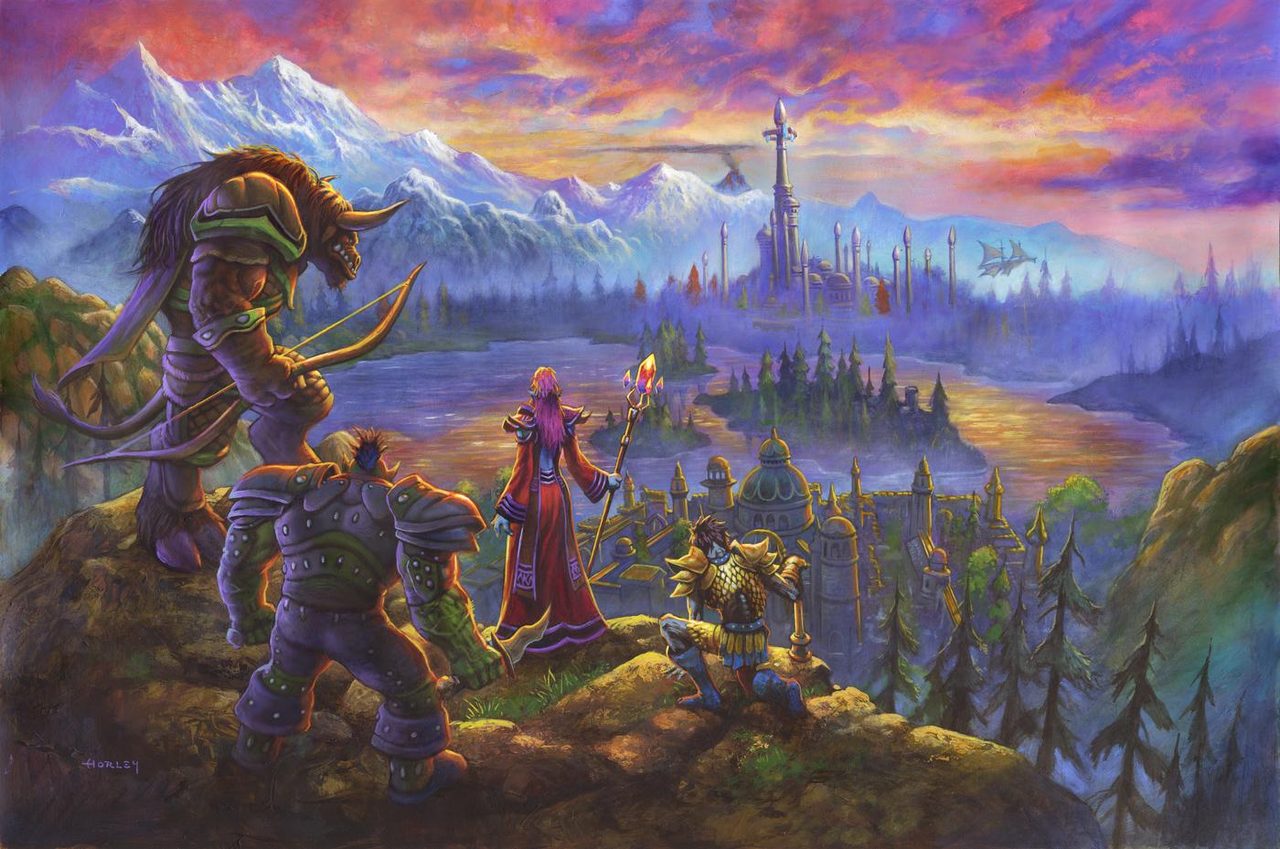
World of Warcraft: Forever goes live worldwide on November 4, 2026, at 3 p.m. Pacific time, according to Blizzard Entertainment. Blizzard describes it as a new, permanent version of World of Warcraft, set in the early days of the original game, with new zones, dungeons and raids added over time. Access is included with a World of Warcraft subscription or Game Time.
The launch is eight days away. Blizzard says Early Name Reservation, open to players who bought one of its paid upgrade packs, runs from October 27 through November 3. The beta began on September 17 and, per Blizzard, ran through October 21, the day the company scheduled an open stress test for any player.
Forever also ends a long rumor. For years, fans had asked for something they called Classic Plus, a version of the old game with new content. On May 4, 2026, the site Massively Overpowered reported, citing the fan site Icy Veins, that World of Warcraft content creators were being invited to Blizzard's headquarters for a creator summit that allegedly covered the next era of Classic. That was a rumor at the time. At BlizzCon 2026, Blizzard confirmed the project under a different name, World of Warcraft: Forever.
This story covers what Forever is and which parts of it are confirmed. It then goes back to the beginning: the Warcraft strategy games of the 1990s, the launch of World of Warcraft in 2004, every expansion since, the Classic versions, the changes in how the game is built, the subscriber numbers that are public, the old myths behind its world, and the Microsoft ownership that surrounds all of it.
§ 1What World of Warcraft: Forever is
Blizzard says Forever is built, in its words, "as a new permanent home alongside modern and Classic WoW." It takes place after the events of Warcraft III Reforged: Forsaken Kingdom, a new campaign Blizzard showed at BlizzCon, and before Molten Core, the first raid of the original game. Players return to the original continents, Kalimdor and the Eastern Kingdoms, and level from 1 to 60.
Holly Longdale, the executive producer and vice president for World of Warcraft, introduced the game at the BlizzCon opening ceremony as "friendly, familiar, and new," according to Polygon. Blizzard's own announcement is blunt about what it is not. "This is not a mode, a season, or a new version of Classic," the company wrote. "It is a promise to keep building this world with the community, guided by your feedback, and made to last."
Ion Hazzikostas, the game director for World of Warcraft, put it in terms of the product line when he spoke to Windows Central. Classic continues, he said. "Forever is designed to be a third pillar alongside Retail and Classic." Retail is the community's name for the modern game that gets the yearly expansions.
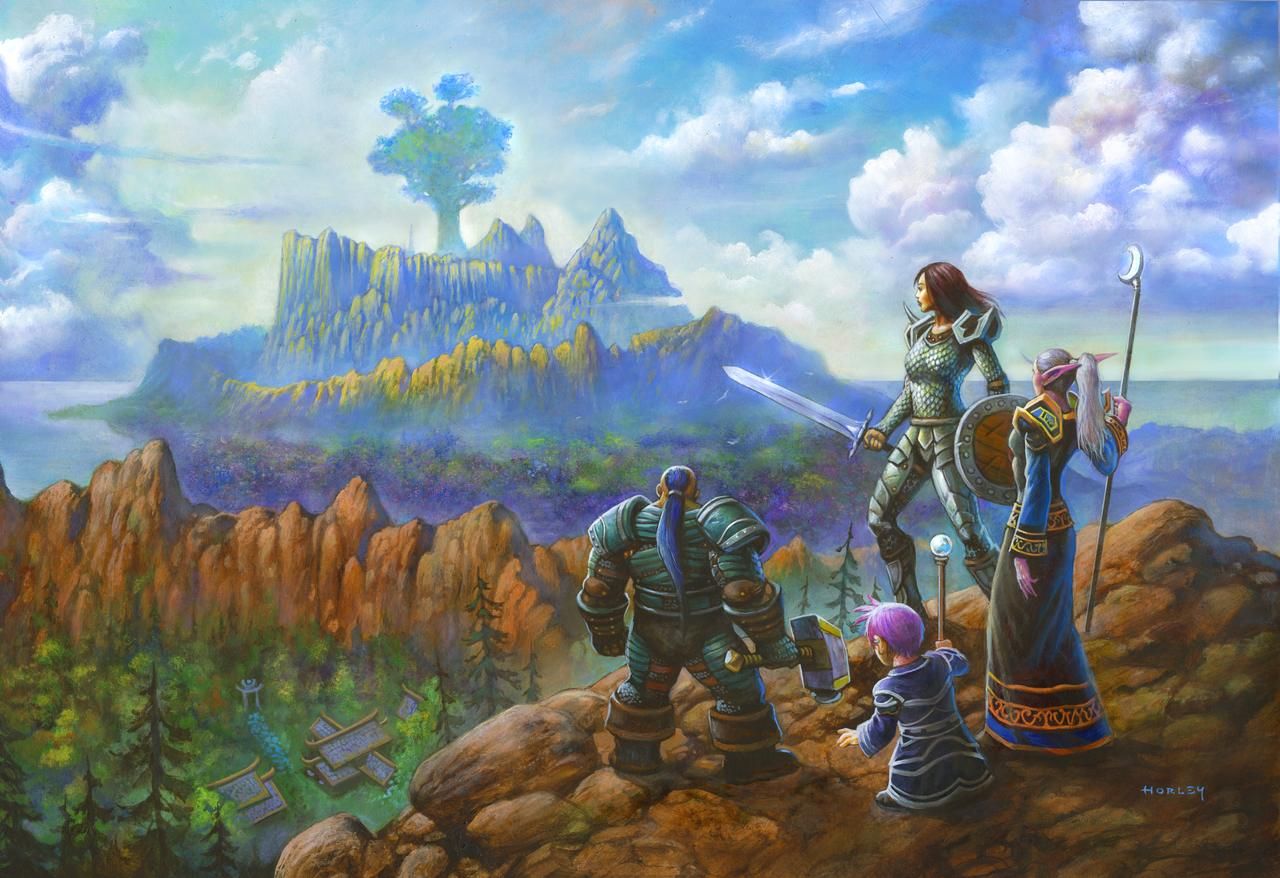
The new content is specific. Blizzard names four regions in its announcement: Mount Hyjal, Shen'dralas, the Riverglades and a starting island called Zephras Isle. Together with reimagined older zones, they carry more than a thousand new quests across the level 1 to 60 journey. At Hyjal, Blizzard says, players explore the aftermath of the demon lord Archimonde's defeat. IGN noted that Hyjal was a place that was never actually used in the original game. Nine new dungeons are planned, among them the Hall of Thanes beneath Ironforge, the Ruins of Lordaeron, the Drowned City and a dungeon set in Dalaran. There are two new raids at maximum level, the Barrow Deeps for ten players and Hyjal Summit for twenty. A new battleground, the Darkspear Islands, is a 15-versus-15 contest that mixes control points with flag captures. Blizzard says the new raids unlock on December 9.
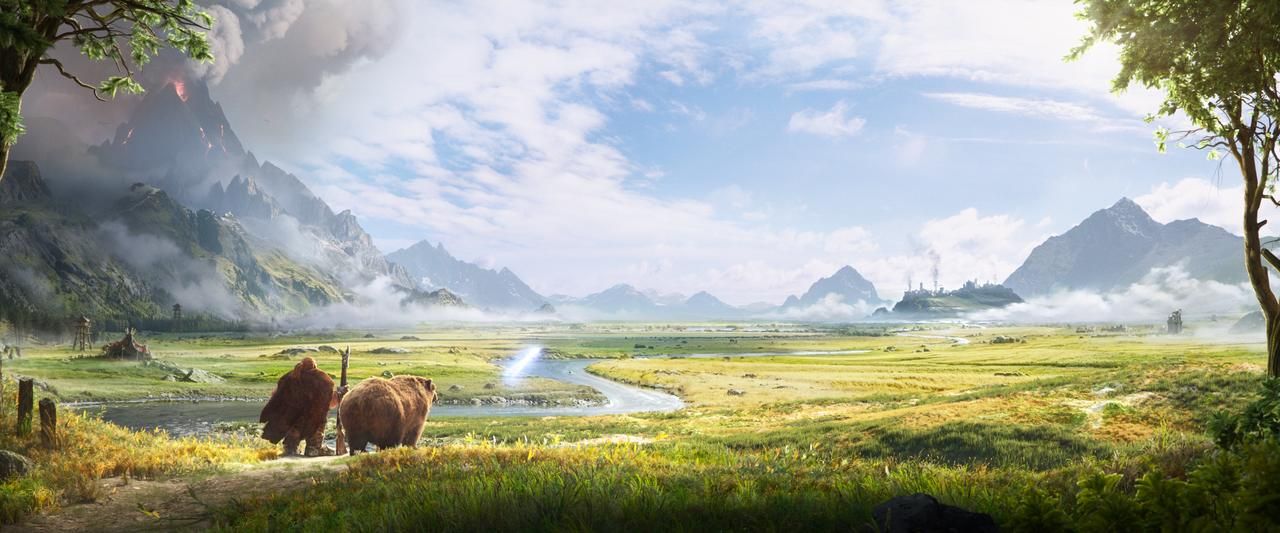
Forever also adds a new playable race, the Skyborne, which is covered in more detail below. It adds opt-in transmogrification, which lets players change how gear looks, and a choice between the original low-polygon character models and a higher-detail set. Polygon reports that even the higher-detail models were fitted with the original game's animations, and that the art assets themselves are untouched while lighting, fog and water rendering were upgraded. Blizzard says rivers now flow through Elwynn Forest and mist hangs over the waters of Darkshore. It also adds official gamepad support.
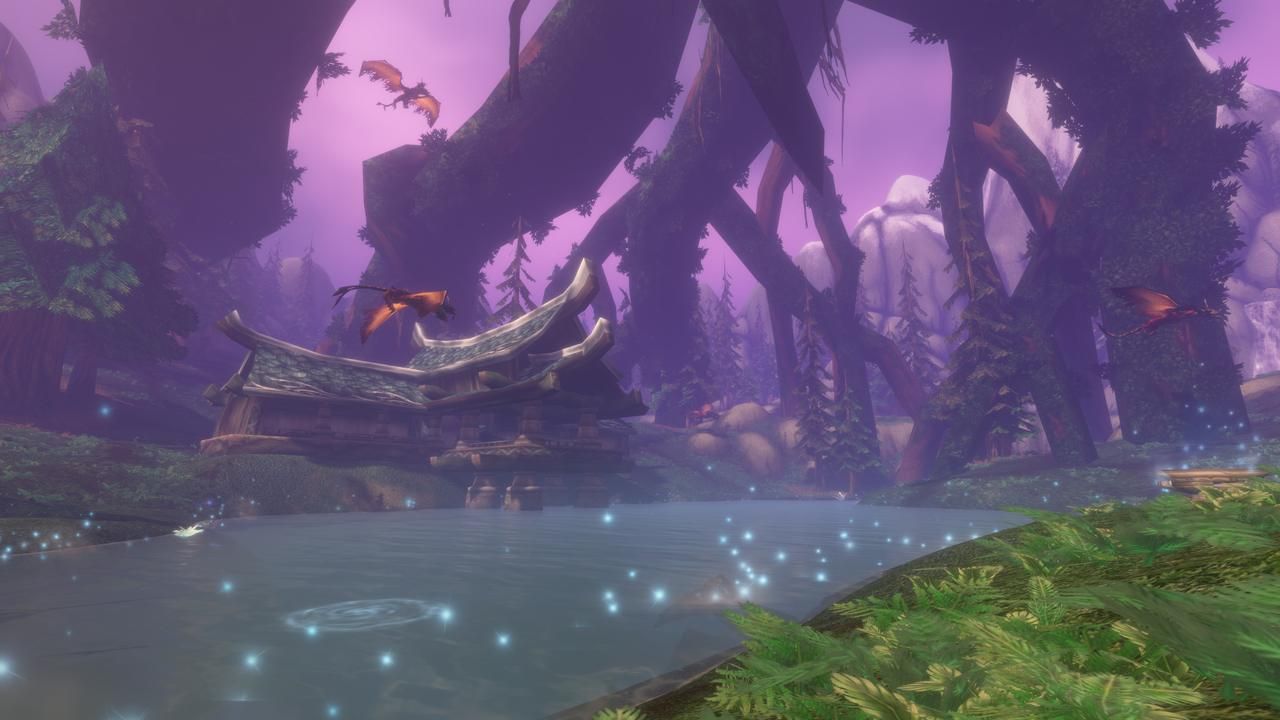
The rules that define Forever are mostly subtractions. Blizzard says there are no flying mounts and no level scaling. The level cap stays at 60 for the foreseeable future, Polygon reports, and the game is meant to grow sideways, with more zones, dungeons and quests in the existing level range, instead of climbing to a higher cap with each expansion. Dungeons are still assembled by players, not by a matchmaking tool, which Polygon lists among the old-school features Forever keeps.
The biggest structural change is the end of the realm choice. Forever has no traditional servers. Players pick a ruleset when they make a character. Blizzard names Normal, PvP and Roleplaying, plus a Hardcore ruleset with permanent death that it says will arrive "sometime after launch." Players can group, run dungeons and raid only with others in the same ruleset, and Horde and Alliance players still cannot group with one another. Battlegrounds may include players from other rulesets, except Hardcore, which stays separate. Blizzard says its goal is to ease the pressure of choosing the right realm without making the world feel anonymous.
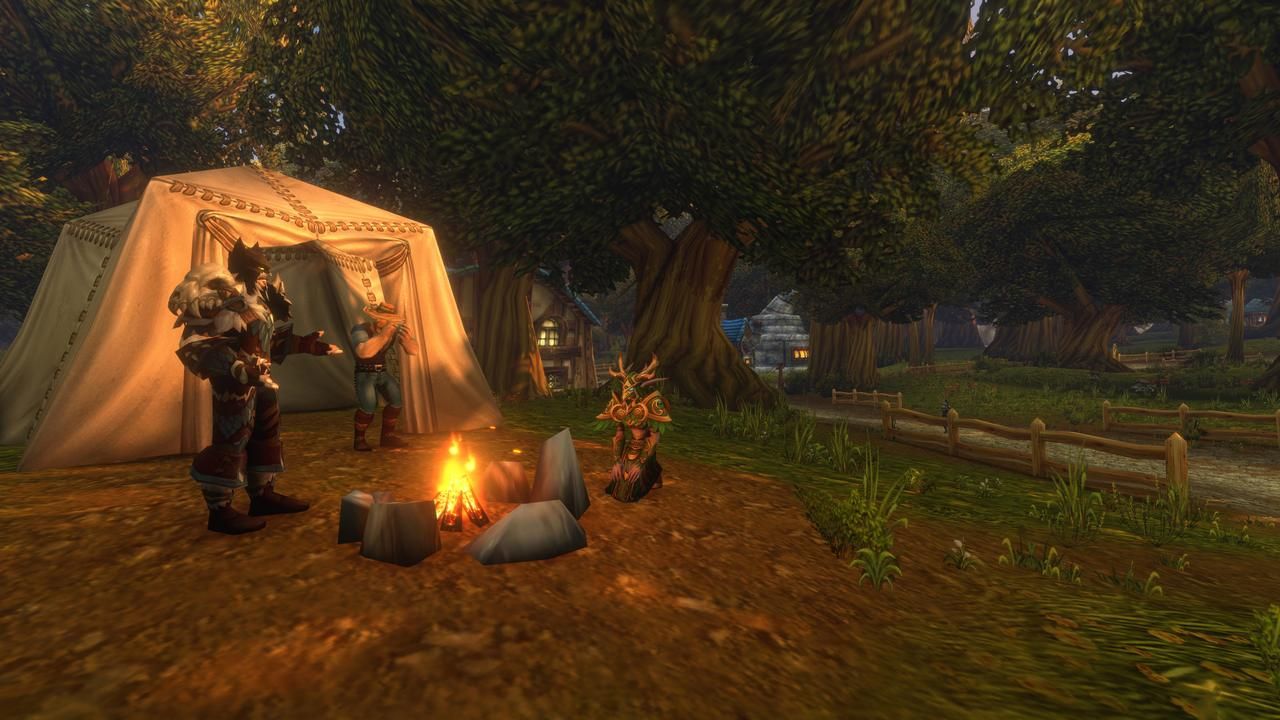
Two systems are new to Warcraft. The Legacy System is an account-wide set of 65 challenges in six categories. Each one earns a Legacy Point, and a character can spend up to 16 of them at launch on perks for professions, adventure and resourcefulness. Camping lets players craft campfires in the open world so that others can stop, contribute through professions and share buffs. IGN's preview described the buffs as tied to professions, available once a player reaches profession level 20.
§ 2What is confirmed, and what is not
Confirmed by Blizzard: the name, the November 4 launch, the 3 p.m. Pacific start, the inclusion in a subscription, the level cap of 60, the rulesets, the nine dungeons, the two raids, the Darkspear Islands battleground, the December 9 raid unlock, the Skyborne race and the paid pack that includes it, and the fact that Hardcore comes after launch. The $29.99 price of that pack comes from press reports of Blizzard's shop listing, including PC Gamer and GamesRadar. The beta and stress-test dates are also Blizzard's. One small wrinkle: Blizzard's own pages give the launch time as both PDT and PST. On November 4 the Pacific time zone is on standard time, so The Ancient Sky is reporting it as 3 p.m. Pacific.
Not confirmed: a date for Hardcore. PC Gamer reported that developers said it would arrive by winter, but Blizzard's pages give no date, and the company's own wording is "sometime after launch." Also unconfirmed are the later raid tiers, the "revamped iconic raid" Blizzard mentions in its roadmap without naming it, and how much stronger gear from later raids will be. PC Gamer quotes Tim Jones, Blizzard's lead Classic designer, as saying that "Tier 2 and Tier 3 raids will therefore have better gear, but we're going to be responsible about it." That is a stated intention, not a published design.
Also unconfirmed is anything about the next modern expansion beyond what Blizzard has said. The Last Titan has no release date in the Blizzard pages reviewed for this story. Any release window for it that circulates elsewhere should be treated as unconfirmed. And the claim that the Skyborne amount to pay to win is the opinion of commentators, not a finding. Blizzard lists new racial abilities for the race but, in the pages reviewed, does not detail them, so the concern cannot yet be tested.
§ 3Where Warcraft began
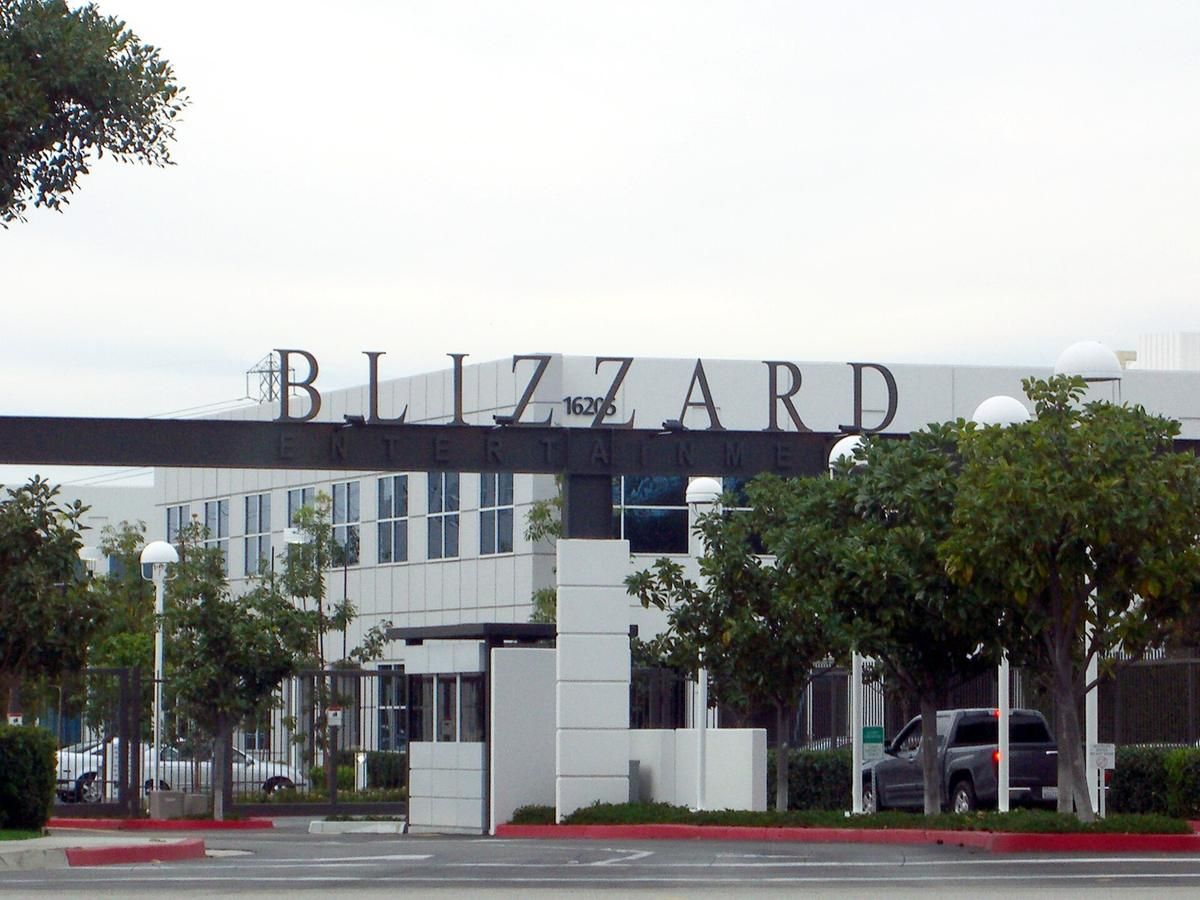
Warcraft did not begin as an online game. The story starts at Silicon and Synapse, a studio formed by Allen Adham, Mike Morhaime and Frank Pearce, according to Blizzard's company timeline. The studio had made console games such as The Lost Vikings and Rock 'n Roll Racing. It was later renamed Chaos Studios, bought by Davidson and Associates, and renamed again as Blizzard Entertainment.
Programmer Patrick Wyatt recalled in an interview with Retro Gamer, republished by GamesRadar, that Adham handed him the project in September 1993. The inspiration was plain. Many people at the studio had become fixated on Westwood's strategy game Dune II, and Wyatt said the team saw its weaknesses as an opportunity. Warcraft: Orcs and Humans, released in 1994, was a real-time strategy game in which players gathered resources, built bases and sent armies against one another. It was the first original PC-only game under the Blizzard label.
Its look had another influence. Wyatt told Kotaku that Warhammer, the tabletop fantasy game from Games Workshop, was a huge inspiration for the art style, and that Adham had hoped to obtain a Warhammer license to boost sales. A deal never came together, partly because the team wanted to control its own universe. Wyatt said it is unlikely Blizzard would be as dominant today had it not owned the Warcraft setting.
Warcraft II: Tides of Darkness followed in December 1995. Blizzard's timeline says it sold 500,000 copies worldwide within four months, and that it was the best-selling entertainment title of 1996. Blizzard's Battle.net online service launched alongside Diablo, and StarCraft followed. Warcraft III: Reign of Chaos shipped in early July 2002. Macworld reported that more than 4.5 million copies had been pre-ordered before it shipped, and described it as a "role playing strategy" game, with heroes and four species: Orcs, Humans, Night Elves and Undead. Heroes and a detailed setting were central to Warcraft III, and that setting became the basis for the online game.

§ 4The decision to go online, and the 2004 launch
Blizzard announced World of Warcraft at the European Computer Trade Show in London in early September 2001. RPGamer reported the announcement during the show, and Macworld reported it days later. The press release, as quoted by Inside Mac Games, described it as a massively multiplayer online role-playing game set four years after Warcraft III, with fully customizable characters and thousands of weapons. According to a GameSpot preview cited by RPGamer, only three races had been named at that point: humans, orcs and the bull-like tauren. Mike Morhaime, then Blizzard's president, called it "our largest undertaking to date." There was no release date. RPGamer speculated it could come as early as Christmas 2002. It did not.
World of Warcraft launched in November 2004, with a North American release on November 23, according to the BBC, ten years after Blizzard released its first Warcraft game in 1994. The BBC, in a retrospective on twenty years of the game, noted that World of Warcraft was not the first massively multiplayer role-playing game but helped move the genre out of a niche. The BBC wrote that it could be enjoyed by more casual players in shorter sessions, and that by the end of 2005 more than five million people were playing.
The BBC's archive also captures the culture of those years. Gold sellers sold in-game currency to players for as little as 20 pounds for what might take a hundred hours to earn, and in China companies employed people for up to 12 hours a day to farm it. The BBC reported that the average player spent around 25 hours a week in the game and that more than 3,000 people joined an online support group called Warcraft Widows for relatives of heavy players. A psychologist told BBC Breakfast that there was a danger of neglecting work and relationships, while a gaming journalist said the pressure was more social than addictive, because players did not want to let down their friends.
§ 5Eleven expansions, in order
The Burning Crusade, the first expansion, was released on January 16, 2007. Blizzard said in a January 23 release that it sold nearly 2.4 million copies worldwide in its first 24 hours, the fastest-selling PC game ever in North America and Europe at that point. More than 2,000 people queued outside an HMV store on London's Oxford Street at midnight for it, the BBC reported. The expansion opened Outland, the shattered homeworld of the orcs, and raised the level cap to 70, according to Blizzard's Burning Crusade Classic announcements. According to Blizzard's Burning Crusade Classic launch announcement, it also added the blood elves and the draenei as playable races.
Wrath of the Lich King arrived on November 13, 2008, according to a Blizzard announcement, and sent players to the frozen continent of Northrend to confront Arthas. It introduced the Death Knight, a new class, as the BBC noted. In August 2008, before launch, Engadget reported that Blizzard's J. Allen Brack said the Death Knight starting area used what Blizzard called phasing, a technology that changes what a player sees in the world depending on which quests they have completed. In December 2009, patch 3.3 added the Dungeon Finder, which let players queue for dungeons the way they queued for battlegrounds and be teleported into the instance once a group was assembled, as Engadget's guide described it. Years later, a Windows Central writer who interviewed Hazzikostas about Forever argued that Retail's social fabric had thinned, saying the chat channels on his own server were already dead. Hazzikostas answered that Blizzard does not see any withdrawal from social systems in Retail as desirable, and that much of Retail's organizing now happens outside the game, in Discord. That tension is the argument Forever is built to answer.
Cataclysm followed on December 7, 2010, a date Engadget reported ahead of launch. According to Blizzard's patch notes for the event, the corrupted Dragon Aspect Deathwing returned and drastically altered the terrain of Kalimdor and the Eastern Kingdoms. Blizzard's Cataclysm Classic page lists the new zones as Mount Hyjal, Vash'jir, Twilight Highlands, Uldum, Deepholm, Kezan and Gilneas, and it takes characters from level 80 to 85.
Mists of Pandaria came on September 25, 2012. Blizzard reported that it sold approximately 2.7 million copies in its first week, not counting China, where it launched October 2, and that the game's global player base had passed 10 million subscribers. The expansion took the level cap to 90, according to the Classic version's page.
Warlords of Draenor launched on November 13, 2014. Blizzard said more than 3.3 million copies sold through in its first 24 hours, and it said the game had surpassed 10 million subscribers as the launch began. Legion followed on August 30, 2016, according to Blizzard's launch release. According to Activision, quoted by PC Gamer, it brought a new class, customizable Artifact weapons and class order halls. Blizzard's launch release named the new class as the Demon Hunter, which began at level 98.
Battle for Azeroth, the seventh expansion, launched in August 2018. Blizzard's launch release said it put the Horde and the Alliance on a war footing and added Island Expeditions, where players seek war resources. Shadowlands, the eighth expansion, launched on November 23, 2020. Blizzard announced that it had sold through more than 3.7 million units by the end of its first full day, which Blizzard called the fastest-selling PC game of all time, and which Game Developer also reported.
Dragonflight launched November 28, 2022. Blizzard's announcement said it opened the Dragon Isles, added the dracthyr Evoker as a new race and class, and brought what Blizzard called the biggest change yet to the talent system. The War Within launched on August 26, 2024, and sent players beneath the surface. Blizzard's launch post lists the Earthen as a new playable race, Delves as short instanced adventures that can be played alone or with a few friends, and Hero Talents as a new layer of class choices. A separate Blizzard preview described Warbands, a system that covers all of the characters on a player's Battle.net account along with the items, collections and progression they share.
Midnight, the eleventh expansion in Polygon's count, launched on March 2, 2026, at 3 p.m. Pacific. It took players to the blood elf homeland of Eversong Woods under the threat of the Void, with four zones and a level cap of 90, and it added the Haranir as an unlockable race. Housing, a feature that lets players decorate their own homes, began in early access during the prologue to the expansion. Blizzard calls Midnight the next chapter in the Worldsoul Saga, and its BlizzCon 2026 round-up says the saga is heading toward its final chapter in The Last Titan.
At BlizzCon, Blizzard said the next major Midnight update is called Eclipse, and that it will bring a direct confrontation with the villain Xal'atath inside what Blizzard calls the worldcore. Blizzard described The Last Titan as a return to Northrend and said "more is revealed early next year." That is all that is confirmed. The Last Titan has no published release date, and nothing in the Blizzard material says what it will contain beyond that description.
§ 6How the game itself changed
Across those expansions, the design moved toward convenience. Polygon describes the original game's gameplay as slow combat, slow leveling and long travel times, with no matchmaking for dungeons. The Dungeon Finder in 2009 was an early step toward making group content faster to reach. Phasing, which dates to Wrath of the Lich King, let a single area change as a player's quests changed. Cataclysm rebuilt the old zones. Dragonflight redid the talent system, which Blizzard noted had been "an integral part of World of Warcraft from its inception" and had changed several times. The War Within added Warbands, Delves and Hero Talents. Midnight added Housing.
Hazzikostas has acknowledged the trade-off in his own words. "It's inevitable that when you offer more solo convenience and reduce friction, many take the path of least resistance, and you end up with a more solitary experience," he told Windows Central. "The presence of friction, the lack of automatic matchmaking ... that lends itself to establishing social connections." He added that the friction can also be alienating, because a player who wants to run a dungeon on a lunch break likely cannot. Windows Central summarized his plan for Forever as a more grounded story, more "crunchy" systems and more emphasis on community building than on matchmaking, while still removing some chores, such as tedious world-buff farming, and rebalancing talent trees so more classes are viable.
The technology changed too. Forever is the first version of the game that does not use realms in the traditional way, which PC Gamer noted when beta queues reached an hour or more at the start of the test. Blizzard has also introduced a tool PC Gamer reported on, called a Temporary Economy Hold, which restricts trading, mail, guild banks and the Auction House for accounts suspected of buying or selling gold for real money, without a permanent strike unless the suspicion is proven. PC Gamer added that Forever will not have a token that sells subscription time for gold at launch, which PC Gamer described as a way of letting Blizzard undercut gold sellers in the modern game.
§ 7The numbers that are public
Blizzard stopped reporting subscriber counts after 2015, so the long-run record is partial. By the end of 2005, per the BBC, more than five million people were playing. Engadget reported that the game reached 11.5 million subscribers in December 2008, and in October 2010 it reported Blizzard's announcement that the game had topped 12 million. In October 2012, Blizzard said the base had passed 10 million. As Warlords of Draenor launched in 2014, Blizzard again said the game had surpassed 10 million. In the third quarter of 2015, Activision reported 5.5 million subscribers, and PC Gamer noted that WoW subscriber counts would not be made public in the future. The Ancient Sky found no current subscriber figure from Blizzard or Microsoft.
A different measure, lifetime accounts, was published in January 2014. Blizzard said more than 100 million accounts had been created since 2004, a figure that includes trial accounts, across players in 244 countries, according to Polygon. Engadget added that more than 500 million characters had been created. Polygon reported that 52 percent of characters were Alliance, 47 percent Horde and 1 percent neutral.
Sales figures give a rough sense of the peaks. Expansion day-one numbers climbed from about 2.4 million for The Burning Crusade to 3.3 million for Warlords of Draenor and 3.7 million for Shadowlands, all announced by Blizzard. They are units sold through to customers, not active players, and they do not say how many people kept playing.
§ 8Classic, and the long look back
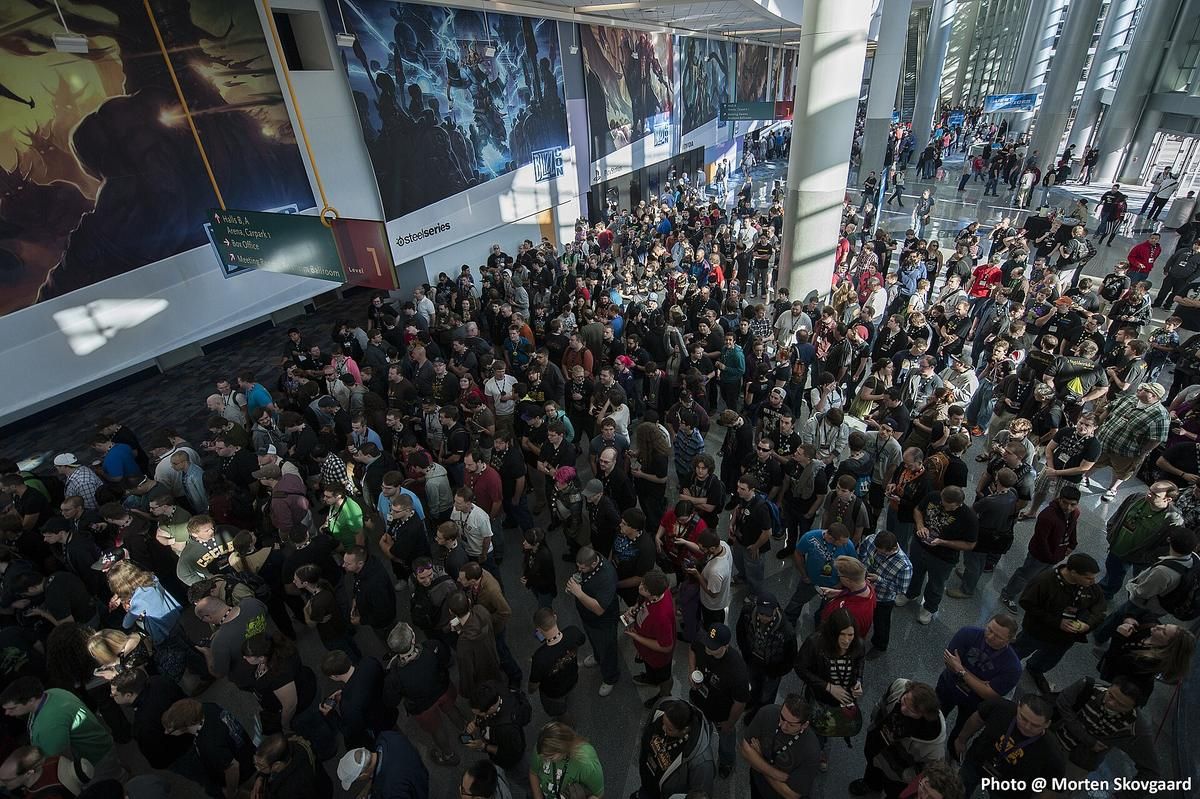
The movement that produced Forever began with a simple request: let people play the old game. Blizzard launched World of Warcraft Classic on August 26, 2019, at 3 p.m. Pacific. Business Insider reported that its writer waited about eight hours to log on. The game is based on version 1.12 of the original, released in 2006, as the Drums of War update, according to Business Insider and Video Games Chronicle. Video Games Chronicle reported that Activision Blizzard's shares reached a nine-month high the next day, closing up 4.93 percent at $51.09.
The line then moved forward in time. Burning Crusade Classic launched on June 1, 2021. Wrath of the Lich King Classic launched on September 26, 2022. Classic Hardcore realms, where death is permanent, went live on August 24, 2023, and Season of Discovery, a Classic server that changes the old game with new abilities called runes and a new endgame at level 25, went live on November 30, 2023. Cataclysm Classic arrived on May 20, 2024, Mists of Pandaria Classic on July 21, 2025, and a Burning Crusade Classic Anniversary Edition on February 5, 2026. Each date above is from Blizzard's own launch posts.
Forever draws from both threads. Blizzard says its Legacy System grew out of one of the team's favorite parts of Hardcore, "seeing so many players constantly leveling and making the world feel active, lively, and full of possibility." Blizzard also says its faction-balance tools in the PvP ruleset follow an approach introduced in Season of Discovery. PC Gamer's reaction to Hardcore for Forever was cautious. The magazine noted that Classic Hardcore thrived partly because players already knew the old world and could open a guide, and that Forever's "new and undiscovered ways to die" change that.

§ 9The myths behind the world
Azeroth's history draws openly on real-world mythology. The material below is a writer's reading, not a list of Blizzard statements. CBR's survey of the setting points to the Titans, the ancient beings who shaped Azeroth, as a mix of Greek and Norse ideas. In Greek myth, CBR notes, the Titans are a tier of divine beings who gave birth to the next tier, which includes Zeus. In Warcraft, the Titans created the keepers and the dragonflights to watch over Azeroth.
The Norse borrowings are the plainest. CBR notes that the keeper Loken shares his name with Loki, and the keeper Thorim with Thor. In Warcraft, Loken was tasked with watching over Yogg-Saron but went mad, tricked his brother Thorim and ended up fighting him, a story CBR sets beside the Norse tales. Mimiron is close to Mimir, the Norse figure known for wisdom, and Odin and Tyr appear under their own names. Valkyries, dwarves and giants appear in both traditions.
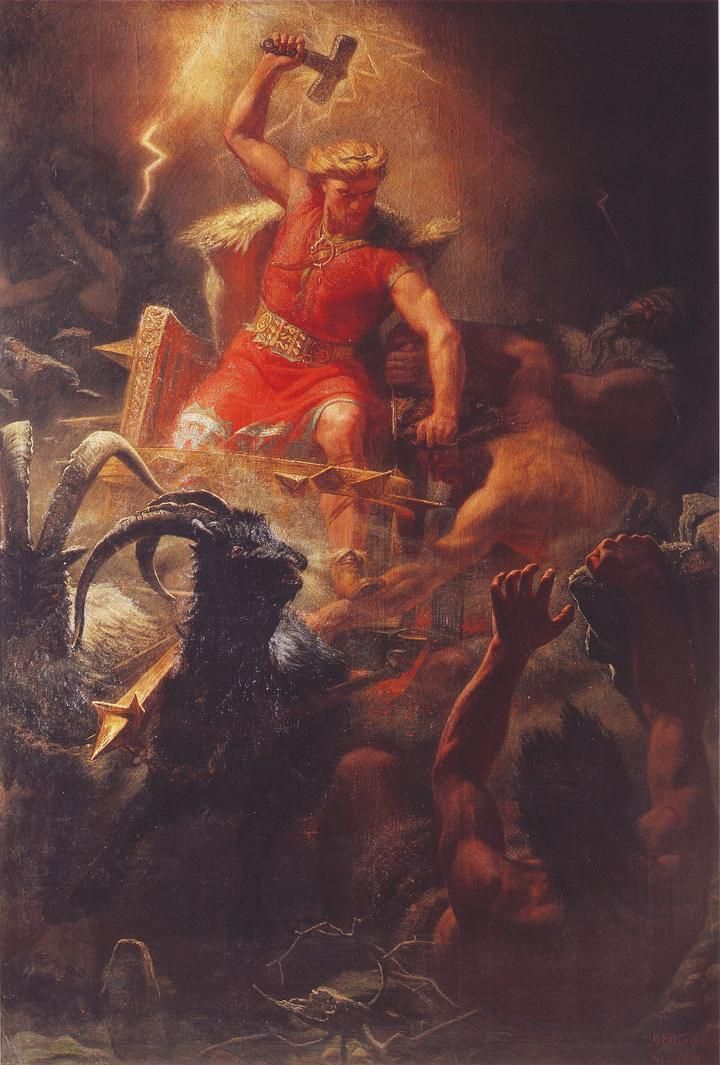

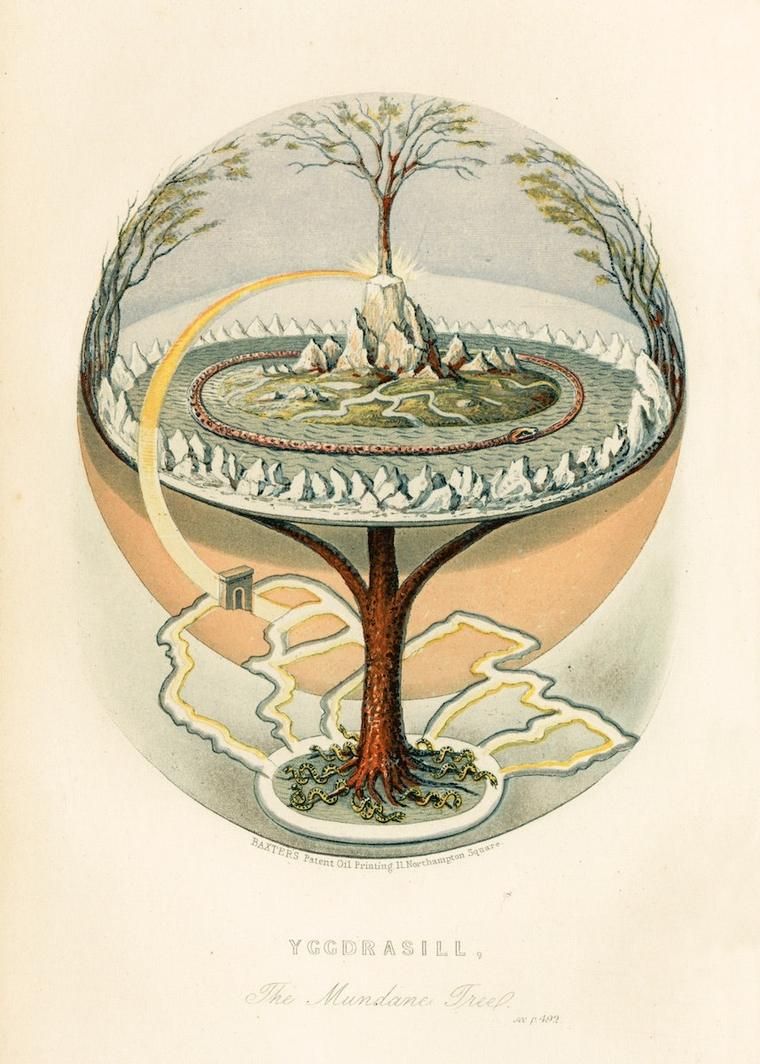
The world tree is the clearest link to Forever itself. In Norse tradition, as CBR puts it, Yggdrasil is the great tree said to connect the nine worlds. The illustration shown here is credited to Oluf Olufsen Bagge and was printed in an 1847 English edition of the Prose Edda, according to the Wikimedia Commons description. In Warcraft, Mount Hyjal has its own world tree, Nordrassil, which CBR says sits on a lake infused with power from the Well of Eternity. CBR calls Nordrassil's tie to Yggdrasil especially close. Hyjal is the zone Forever's players help restore, and it is where the new Hyjal Summit raid takes place.

Other borrowings come from outside Europe. CBR says the gods Hakkar and Sethe resemble Aztec feathered-serpent deities such as Quetzalcoatl, that the troll reverence for the loa draws on Haitian Vodou, and that the moon goddess Elune echoes many ancient moon goddesses. Those are interpretations by one outlet, and Blizzard's pages reviewed for this story do not say how deliberate any of the parallels were.
§ 10The Microsoft and Activision Blizzard context
Blizzard is now part of Microsoft. On January 18, 2022, Microsoft announced it would buy Activision Blizzard for $95 per share in cash, a deal valued at $68.7 billion. Microsoft named Warcraft among the franchises it was acquiring, and said that once the deal closed it would become the world's third-largest gaming company by revenue, behind Tencent and Sony. It said Activision Blizzard would report to Phil Spencer, CEO of Microsoft Gaming. On October 13, 2023, Microsoft said it had completed the acquisition.
Forever was announced about three years after the deal closed. Nothing in the material reviewed for this story shows that Microsoft ordered, funded or shaped the design of Forever. The link is chronological, not documented. What Blizzard says is that Forever is included in the subscription, which keeps it inside the same revenue model as the rest of the game.
§ 11The Skyborne dispute and other criticism
The Skyborne are a new elven race with blue skin, native to Zephras Isle. Horde-aligned Skyborne can be shamans. Alliance-aligned Skyborne can be mages. Both can be warriors, hunters, rogues and druids, and Blizzard says they have their own druid forms. The race is part of the $29.99 Skyborne Heroic Pack, which also includes the Zephras Isle starting experience, Early Name Reservation, a ground mount, cosmetics, housing decorations and a friend-invite code. The Skyborne Epic Pack adds beta access, 30 days of game time and extras. The limited-time Warcraft Forever Collection adds Warcraft III Reforged and its Forsaken Kingdom campaign, and is priced at $79.99 according to GamesRadar.
The reaction was sharp. PC Gamer's headline said Forever's hype was dampened by "$30 elves," and its writer said $30 is the cost of an expansion pack under normal conditions, though the most recent WoW expansion retailed for $50. The same writer called getting so much of the rest of Forever with a subscription an excellent bargain. GamesRadar quoted fans on Blizzard's forums, including one who wrote, "They are just blue elves." Windows Central wrote that the pack marks the first time Blizzard has "sold" a race, a claim The Ancient Sky could not independently confirm, and raised the worry that a strong racial ability could amount to pay to win. That worry is the outlet's, and no one has shown the race has such an ability. IGN's first-impressions piece wrote that the Skyborne are essentially blood elves turned blue.
Blizzard explained the choice of another elf race to Windows Central. The company said its experience with the blood elves in The Burning Crusade showed that an attractive Horde character mattered to players. In 2004 and 2005, it said, the factions were about 60 percent Alliance and 40 percent Horde, and after blood elves were added the split flipped to 60 percent Horde. Blizzard also said the Skyborne are tied to the story of Shen'dralas and the history of Eldre'thalas, the city that became Dire Maul. Windows Central described making the race available to both factions as a faction-balance measure.
Blizzard has made one concession on how the race looks. GamesRadar reported that the studio said it agreed that the higher-detail Skyborne models could be "jarring" against the original-style world, and that original-style Skyborne models, including druid forms, are in development for early 2027. The paywall has not changed. A later GamesRadar report, citing character counts from a tracking site, said Alliance Skyborne were the fourth most chosen race in the beta. GamesRadar noted a caveat: the Skyborne came included with the beta purchase, so beta counts say little about what players will pay for the race on its own.
Other worries are about endgame. PC Gamer's beta column said it was "basically sold" on the game, and then asked whether adding better gear with each raid tier undermines the idea of a world that is supposed to last. The columnist described the risk as power creep in slow motion, and said small gear increases would not be much of a problem. That question cannot be answered until the second and third raid tiers exist.
§ 12What to watch
The first test is the launch itself. The beta showed how Forever behaves under load. PC Gamer reported hour-long queues at the start of the test, and Blizzard scheduled a stress test on October 21 to prepare for November 4. Because Forever has no realms, there is no way to spread players across servers, so launch-week queues will tell players and critics a lot about how the system holds up.
The second is the first month of the economy. PC Gamer reports that Blizzard is trying to blunt gold buying with the Temporary Economy Hold, vendors whose prices cap the cost of reagents, and the absence of a time token. Blizzard has warned that the hold may produce false positives early on. The third is Hardcore, which has no date. The fourth is the December 9 raid unlock, which will be the first look at how Blizzard handles new top-end content in a world with a fixed level cap.
The last is how Forever shares attention with the modern game. Blizzard says Retail, Classic and Forever are three parallel tracks. The company has the Midnight update called Eclipse still to come, and The Last Titan to detail early next year. Hazzikostas told Windows Central that problems in the modern game, such as too little friction and purpose in the open world, are real and that Blizzard wants to fix them, and he said he would like to offer something like the Heroic World Tier from Remix in The Last Titan.
§ 13The outlook
Thirty-two years ago, Warcraft was an orcs-versus-humans game built by a studio that had been making console games such as Rock 'n Roll Racing. It became a role-playing strategy series, then a subscription world that, by the BBC's count, passed five million players by the end of 2005, then a long run of expansions that kept changing its shape, then a Classic revival, and now a version that promises not to change its shape at all. Blizzard's promise is that Forever is "made to last."
Whether it does depends on things that have not happened yet: whether a fixed level cap can hold attention for years, whether new raids can carry a world without the usual expansion reset, and whether a paid race can sit alongside a subscription without damaging goodwill. The first real answers begin on November 4 at 3 p.m. Pacific.
Watch & Listen
Hear this entry read aloud. Coming soon — the channels are not live yet.
Sources
Blizzard Entertainment (primary)
- Blizzard News – Carve a New Path with World of Warcraft: Forever
- Blizzard News – Choose Your Ruleset in World of Warcraft: Forever
- Blizzard News – Join the World of Warcraft: Forever Stress Test
- Blizzard News – The World of Warcraft: Forever Beta Now Live
- Blizzard News – Get to Know the World of Warcraft: Forever Legacy System
- Blizzard News – World of Warcraft: Forever Deep Dive Panel Recap
- Blizzard News – World of Warcraft: Forever What's Next Panel Recap
- Blizzard News – World of Warcraft at BlizzCon 2026 News Round-Up
- Blizzard Press Center – World of Warcraft Forever Reveal (press kit)
- Blizzard – 10th Anniversary Timeline (Internet Archive copy)
- Blizzard – Press release, The Burning Crusade sales (Internet Archive copy)
- Blizzard Press Center – World of Warcraft: Burning Crusade Classic Is Now Live
- Blizzard Press Center – World of Warcraft Surpasses 10 Million Subscribers as Warlords of Draenor Launches
- Blizzard Press Center – Conflict Consumes World of Warcraft: The Battle for Azeroth Has Begun
- Blizzard Press Center – Shadowlands Becomes Fastest-Selling PC Game of All Time
- Blizzard Press Center – Azeroth Burns under the Shadow of the Legion (Legion Now Live)
- Blizzard – Wrath of the Lich King release announcement (Internet Archive copy)
- Blizzard – Patch 4.0.3a: The Shattering of Azeroth Now Live
- Blizzard News – Dragonflight Now Live
- Blizzard – The War Within Now Live
- Blizzard News – The War Within: Warbands Preview
- Blizzard News – Midnight Goes Live March 2
- Blizzard News – Midnight Now Live
- Blizzard – World of Warcraft Classic Is Now Live
- Blizzard News – Return to Outland on June 1 in Burning Crusade Classic
- Blizzard – Wrath of the Lich King Classic Arrives September 26
- Blizzard News – Classic Hardcore Realms Now Live
- Blizzard News – Classic Season of Discovery Is Now Live
- Blizzard News – Cataclysm Classic Now Live
- Blizzard News – Mists of Pandaria Classic Now Live
- Blizzard News – Burning Crusade Classic Anniversary Edition Now Live
Microsoft and company context
- Microsoft – Microsoft to acquire Activision Blizzard (Jan. 18, 2022)
- Microsoft – Welcoming the legendary teams at Activision Blizzard King to Team Xbox (Oct. 13, 2023)
World of Warcraft: Forever coverage
- Polygon – Blizzard Officially Reveals 'WoW Classic Plus' as World of Warcraft Forever
- Polygon – World of Warcraft Forever Will be the Easiest Way into WoW in 20 Years
- PC Gamer – The WoW 'Classic+' rumors were true
- PC Gamer – Forever players are reliving 2004 with hour-long queue times
- PC Gamer – Forever will get a hardcore mode by winter
- PC Gamer – WoW: Forever has a new kind of ban to deal with real money trading
- PC Gamer – Forever's beta has left me with just one fear: its endgame
- PC Gamer – Forever hype dampened by $30 elves
- IGN Nordic – World of Warcraft: Forever Feels Familiar Despite Its Changes, First Impressions
- GamesRadar – Forever has a new race you can't get without paying $30
- GamesRadar – To make Forever's Skyborne less "jarring" to look at, Blizzard is going back to 2004
- GamesRadar – Despite controversy, Forever's $30 Skyborne race is one of the Beta's most popular
- Windows Central – We spoke to World of Warcraft's Ion Hazzikostas on Forever vs. Retail, Horde vs. Alliance, and more
- Windows Central – Why is World of Warcraft Forever adding another elf race? I asked Blizzard
- Massively Overpowered – Rumor: Blizzard is quietly testing WoW Classic Plus with influencers (May 4, 2026)
Warcraft history, the 2004 launch and culture
- GamesRadar / Retro Gamer – The making of Warcraft: Orcs & Humans
- Kotaku – How Warcraft Was Almost a Warhammer Game
- Macworld – Warcraft III: Reign of Chaos ships
- RPGamer – World of Warcraft Officially Announced
- Macworld – Blizzard unveils World of Warcraft
- Inside Mac Games – Blizzard Announces World of Warcraft
- BBC – World of Warcraft at 20: How the BBC reported on the MMORPG
Expansions, subscribers and Classic
- Engadget – Phasing is the new instancing (Aug. 25, 2008)
- Engadget – Patch 3.3: The Dungeon Finder Guide
- Engadget – World of Warcraft sustaining ginormous subscriber base, surpasses 12 million
- CNBC – Alliance and Horde Armies Grow with Launch of Mists of Pandaria
- Engadget – World of Warcraft breaks out a decade in Azeroth by the numbers
- Polygon – Blizzard reaches 100M lifetime World of Warcraft accounts
- PC Gamer – This is the last World of Warcraft subscriber report you will ever read
- Game Developer – World of Warcraft: Shadowlands sells 3.7 million copies in 24 hours
- Business Insider – World of Warcraft Classic just launched, and it was a fiasco
- Video Games Chronicle – Activision Blizzard shares hit 9-month high on World of Warcraft Classic release
Mythology
Also see (Wikipedia, secondary reading only)
- Wikipedia – World of Warcraft
- Wikipedia – Warcraft: Orcs & Humans
- Wikipedia – World of Warcraft: The Burning Crusade
- Wikipedia – World of Warcraft: Wrath of the Lich King
- Wikipedia – World of Warcraft: Cataclysm
- Wikipedia – World of Warcraft: Legion
- Wikipedia – World of Warcraft: Battle for Azeroth
- Wikipedia – World of Warcraft: Shadowlands
- Wikipedia – World of Warcraft: Midnight
- Wikipedia – World of Warcraft: The War Within
- Wikipedia – World of Warcraft: Warlords of Draenor
Read next
More in Gaming
Pentiment Review: A Murder Mystery Painted Like a Medieval Book
Pentiment is a murder mystery that looks like an old, hand-painted book come to life. You play an artist in a small Bavarian town in the 1500s. A rich man is killed, your friend is blamed, and you have only a few days to find the truth. The game came out four years ago this week, on November 15, 2022. It won a Peabody Award, and it is still one of the most charming games you can play.

More in Gaming
Hi-Fi Rush Review: The Game Where Every Punch Lands on the Beat
Hi-Fi Rush is an action game where the whole world moves to music. You swing a guitar, and every hit lands on the beat.
On the front page
A 'Crypto-Wolf' at Skinwalker Ranch, and the Phones That Open Themselves
A biologist who works at Utah's Skinwalker Ranch made a striking claim this week. He says a dead wolf-like animal found on the land was mostly an unknown kind of wolf.