Ancient Civilization
Frozen Inca Mummies Reveal What Children Were Given Before Mountaintop Sacrifices
By Darrell Wallen
Would you prefer to listen?
More than 500 years ago, Inca priests led children up some of the highest volcanoes in the Andes. There, the children were sacrificed to the mountain gods. Now, a new lab study of eight frozen mummies shows what those children were given in their final weeks. Every hair sample tested held traces of coca, the sacred leaf. Some children also drank alcohol. One famous girl, known as Juanita, carried a chemical tied to ayahuasca, a drink made from an Amazon vine. The results suggest the ritual was not the same everywhere. Each mountain may have had its own recipe.
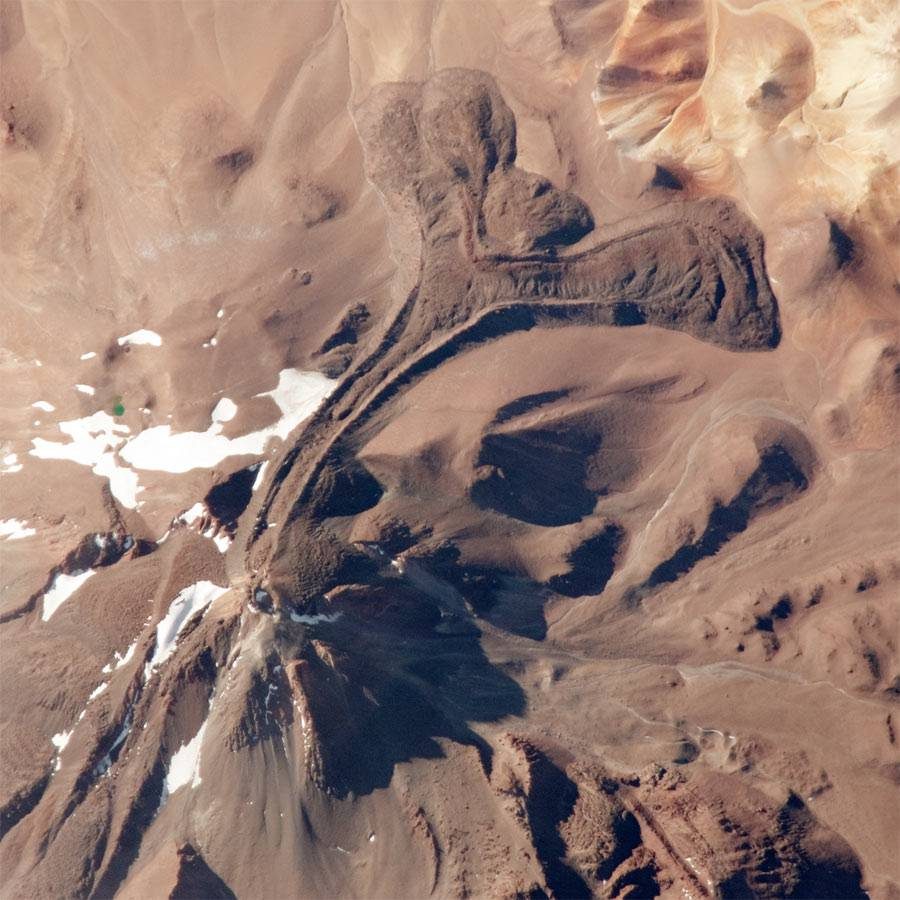
Credit: ISS Expedition 22 crew, NASA, via Wikimedia Commons (public domain)
§ 1What the study found
The study appeared in the journal Antiquity. It was published online on November 3, 2026. The lead author is Dagmara Socha, a bioarchaeologist at the University of Warsaw in Poland. A bioarchaeologist studies human remains to learn how people lived and died.
The story spread through science news outlets in early November. This week it is drawing wide attention again on social media.
Socha's team tested hair and fingernails from eight mummies. All of them were found on volcanoes in Peru and Argentina. Seven were girls. One was a boy. They were between about 6 and 14 years old when they died.
The team looked for ten different chemicals. These came from plants that grow in or near the Andes. The list included coca, ayahuasca plants, the San Pedro cactus, and poisonous plants like datura.
The clearest result was coca. The paper says cocaine and benzoylecgonine turned up in every hair sample the team tested. Benzoylecgonine is what the body makes when it breaks cocaine down. Finding both means the children chewed coca leaves. They did not just touch them.
There is a small detail worth knowing here. Hair came from six of the children. For the other two, the team only had fingernails. The journal's news release says cocaine was found "in all the mummies." The paper itself is more careful. It says the nail samples were hard to read because of dirt and pollution from the burial sites. So the hair results are the firmest part of the coca finding.
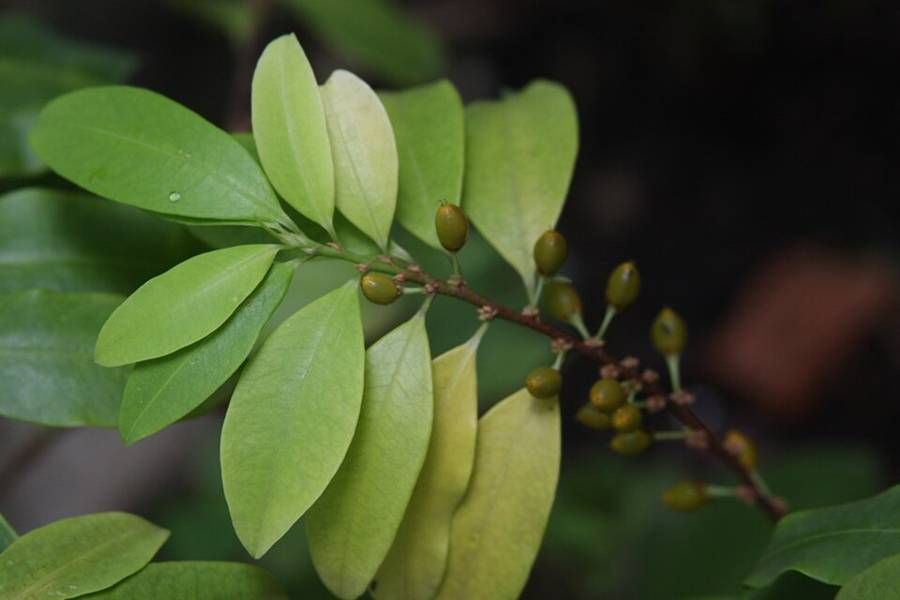
Credit: Kristi Denby / Archivo Centro Takiwasi, via Wikimedia Commons (CC BY-SA 4.0)
§ 2Signs of alcohol
Some of the children also drank alcohol. The lab can spot this through a chemical called cocaethylene. The liver makes it only when cocaine and alcohol are in the body at the same time.
Cocaethylene showed up in mummies from two Argentine mountains, Chuscha and Llullaillaco. Three children were buried together on Llullaillaco. The journal's release and several news reports describe four mummies in all with signs of alcohol.
The alcohol most likely came from chicha. Chicha is a beer made from corn. Spanish writers in the 1500s and 1600s said priests gave chicha to the children near the end of the ritual. They wrote that it was meant to dull their senses and calm them. One account said it helped the children go to the creator god, Viracocha, joyfully. Earlier tests also found chicha residue in the small cups buried with the Llullaillaco children.
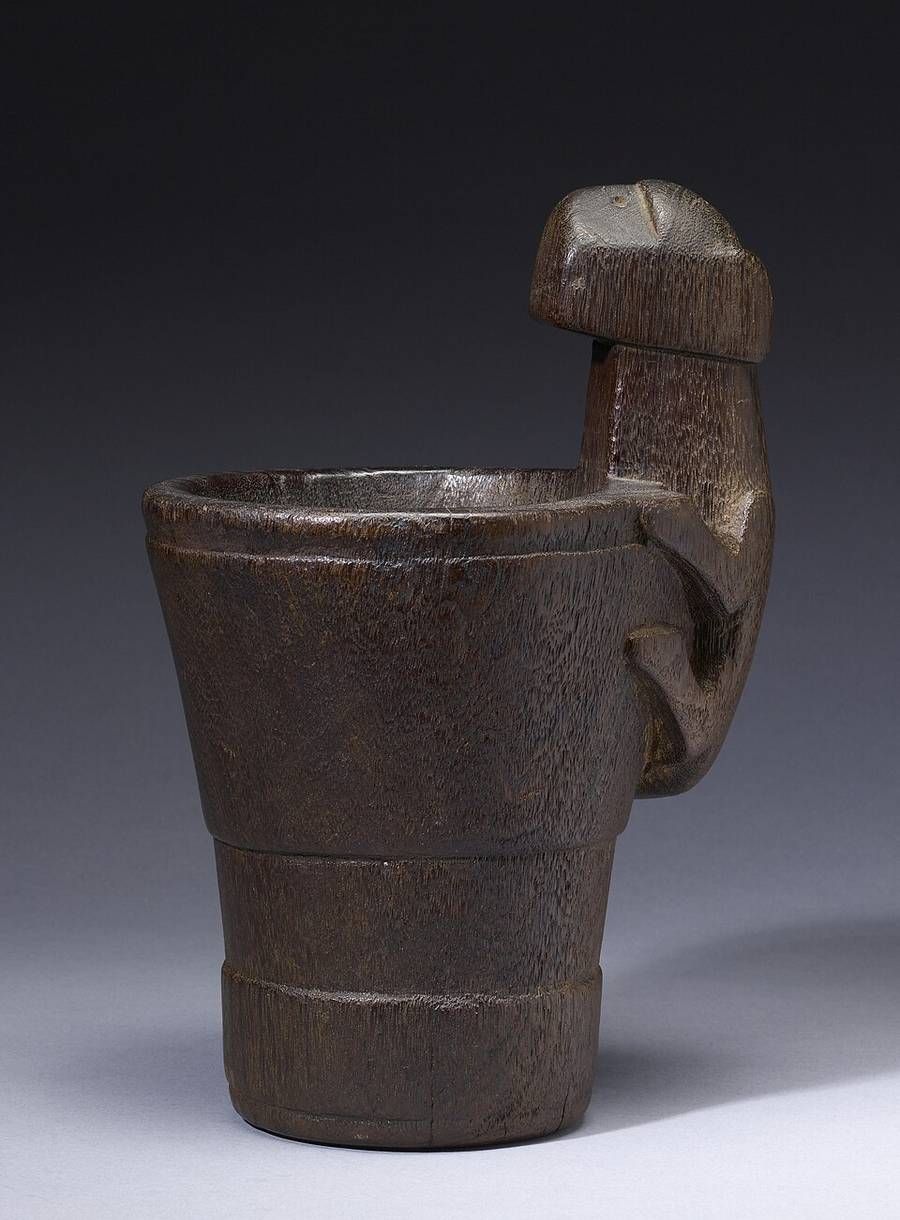
Credit: Walters Art Museum, via Wikimedia Commons (public domain)
§ 3A timeline written in hair
Hair is like a slow diary. It grows about one centimeter, or less than half an inch, each month. Chemicals from food and drink get locked inside it as it grows. They can stay there for centuries.
The team cut the hair of the Chuscha girl into six pieces. Each piece stood for about one month of her life. That gave them a look at her last six months.
Her coca use went up and down over that time. It dropped off a bit in her final month. Alcohol showed up only in that last month. The authors say this probably marks her entry into the final stage of the ritual. They also estimate that she drank a lot of alcohol in that stretch.
The Chuscha girl was about 8 years old. Grave robbers found her in the 1920s. Her body was sold to private collectors. She is now kept at the Museum of High Mountain Archaeology in Salta, Argentina.
One more surprise came from her. Older tests on the Chuscha mummy found no coca at all. The same was true for a 14-year-old girl from the Sara Sara volcano in Peru. This time, both tested positive. The authors say lab tools have improved. They argue that older samples should be tested again.
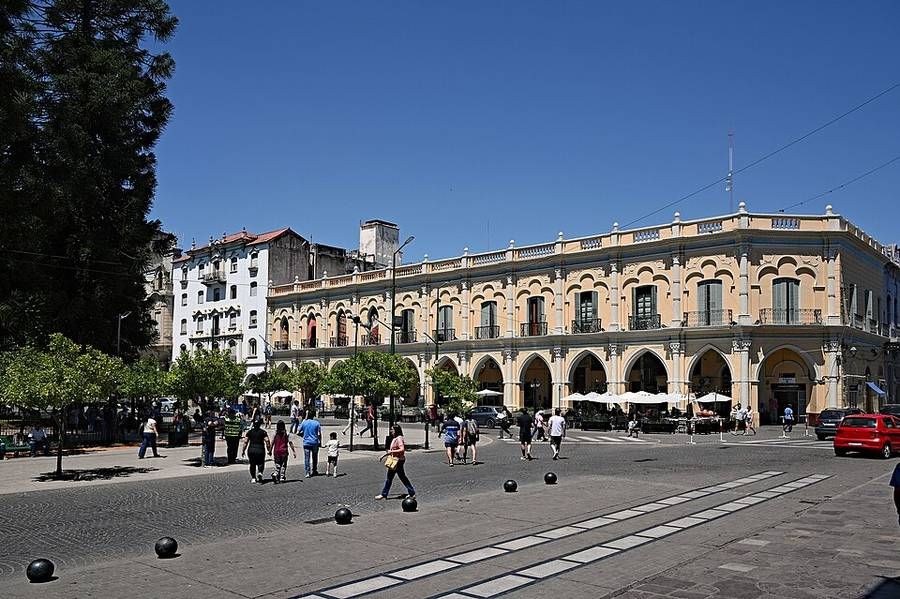
Credit: P. Hughes, via Wikimedia Commons (CC BY 4.0)
Credit: Aldo Fernández Villalba, via Wikimedia Commons (CC BY-SA 3.0)
§ 4Juanita and the Amazon vine
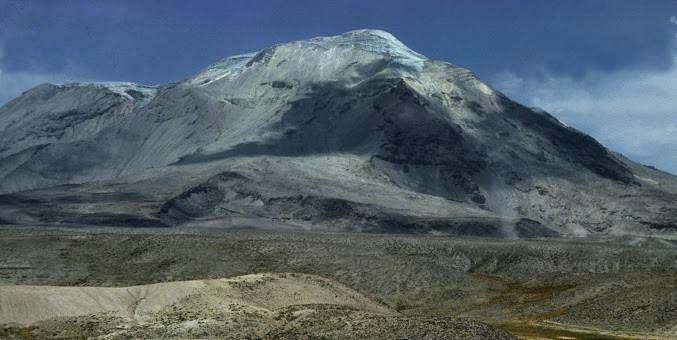
The most talked-about result involves the "Lady of Ampato." Many people know her as Juanita. She was about 14 years old. Explorers Johan Reinhard and Miguel Zárate found her on Ampato, a volcano in southern Peru, in 1995. A stone platform near the summit had partly collapsed. That sent her wrapped body and some of her offerings tumbling down the slope.
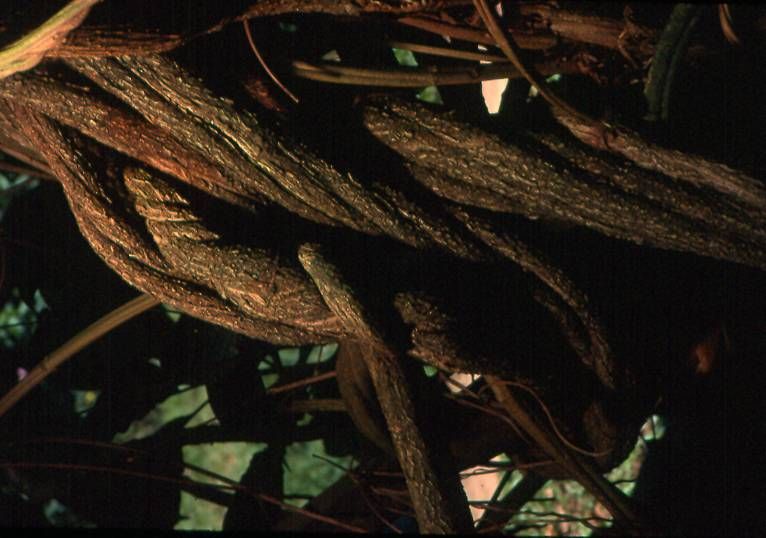
In Juanita's fingernails, the team found small amounts of harmine. Harmine comes from Banisteriopsis vines. These vines are a main ingredient in ayahuasca, a brew still used in South American ceremonies.
"One of the most intriguing findings concerns the famous Lady of Ampato, also known as Juanita, in whom we detected traces of harmine," Socha said in the journal's news release. "It may indicate that a harmine-containing beverage had a specific role in ceremonies connected with this particular sacred mountain."
That idea fits with earlier work. In 2022, Socha's group tested two younger children from a lower camp on Ampato. They found harmine and a related chemical, harmaline, in those children too.
Here is the fun puzzle. Banisteriopsis grows only in the Amazon rainforest. Ampato sits high in the dry Andes, far from any jungle. If the harmine came from that vine, someone had to carry it over long trade routes to reach the mountain.
The team checked for other possible sources. Small amounts of harmine occur in some passionflower plants and in tobacco. The authors say those are unlikely sources here. They also found no harmine in the children who drank chicha. That suggests the beer was not the source.
Credit: Jaime Torres / Archivo Centro Takiwasi, via Wikimedia Commons (CC BY-SA 4.0)
§ 5Calm, not visions
Ayahuasca is famous for strong visions. But that effect usually needs a second plant, one that contains a chemical called DMT. The team found no DMT in any of the children. They found no mescaline from the San Pedro cactus either. They also found no scopolamine or atropine, the poisons in datura.
That matters to the authors. The paper groups harmine apart from the strong vision-causing plants. It works mainly by slowing the body's breakdown of mood chemicals such as serotonin. Modern studies show it can lift mood, much like some medicines for depression. Those effects can last for weeks.
The team suggests harmine may have been used to keep the children calm and in a good mood. They see the same pattern in all three substances. Coca, alcohol and harmine all ease stress or lift spirits.
The authors also give a practical reason. The climb to these shrines was long and dangerous. Strong hallucinogens and their side effects "could be potentially lethal for children during a long pilgrimage over difficult terrain," they wrote. The priests may have avoided them for that reason.
Coca had its own practical uses. It helps with altitude sickness, hunger and tiredness. Several of these shrines sit above 20,000 feet. The air there holds far less oxygen than at sea level.
§ 6What the capacocha was
The ritual is called capacocha. The word comes from Quechua, the language of the Inca. It joins "capac," meaning royal, with "cocha," which can mean lake, water or body.
The Inca Empire ran along western South America from the late 1200s until 1572. Its rulers turned to the capacocha in times of crisis. Those crises included drought, famine and political unrest.
A Spanish friar named Martín de Murúa wrote about the ceremony in 1590. He said it was done so there would be "no famine nor lack of fruits of the earth, nor would there be drought, nor pestilence, nor rebellion."
Children were chosen from across the empire. According to the old Spanish accounts, some were offered by their families. Others were hostages raised in the capital, Cusco. Some came as tribute from conquered lands. Older girls sometimes came from the acllas, young women chosen to serve the Sun.
The Inca did not see the children simply as victims. They believed the children became messengers between people and the gods. After death, the children were honored as ancestors. Their families gained status. Some relatives even served as priests who spoke for the dead children.
"Being selected for capacocha was an extraordinary honor that elevated not only the social status of the children but also that of their entire families," Socha told Discover magazine, as quoted by Smithsonian magazine.
The ritual had a political side, too. "The ritual also had a political dimension, helping the Inca state establish relationships with local communities and incorporate regional deities into the imperial religious system," Socha told Gizmodo.
§ 7Different mountains, different gods
The big idea in the new paper is variety. "What we are seeing is that the capacocha was not a single standardized ritual," Socha said in the release. "The Incas appear to have adapted it to different cults and local religious traditions."
The data back this up in a few ways. The children on Llullaillaco all got the same substances. So did the children on Ampato. But the two mountains did not match each other. The authors say this points to the god of each mountain, not to the age or sex of each child.
In the Andes, mountain gods were often tied to weather and water. Each one had its own nature, the authors note. Some were male and some female. Some were seen as kinder to people than others. Those traits may have shaped how priests prepared each child.
There are exceptions inside the pattern. A girl known as Ampato #4, about 10 years old, showed no harmine. Scans suggest she was a "secondary burial," moved from somewhere else to her final grave. The authors say she may have been part of a different ceremony.
§ 8The Llullaillaco children
Three of the eight mummies came from Llullaillaco. This volcano sits on the border of Argentina and Chile. Reinhard and Constanza Ceruti found the children there in 1999. The site lies about 22,000 feet above sea level. The paper calls it the highest archaeological site in the world.
These children were already known to science. A 2013 study, led by Andrew Wilson of the University of Bradford, tested the hair of the oldest girl, called the Llullaillaco Maiden. It found that her coca use rose sharply about a year before her death. Her alcohol use surged in her last six to eight weeks.
At the time, Wilson described how well she had been preserved. "She looks almost as if she's just fallen asleep," he told National Geographic.
The new study adds a twist. On Llullaillaco, alcohol signs showed up over a longer time. On Chuscha, they appeared only in the final month. The authors say this shows the ritual could follow different paths.
§ 9Honor, fear, or both
Scholars still debate what the children felt. The old Spanish writers described being chosen as an honor. The new paper reflects that view. It says the children received plants meant to support their wellbeing and mood.
Other researchers have stressed a darker reading. In 2013, Wilson wondered whether the alcohol was used to sedate the Llullaillaco Maiden in her final weeks, Science magazine reported. National Geographic's report said the substances likely also helped sedate the children and make them more accepting of their fate.
Socha does not pick one side. "We cannot reconstruct the children's emotions or determine precisely how they experienced these events," she told New Scientist. "However, we should not assume that being selected for a prestigious religious ceremony necessarily meant that the experience was not frightening or traumatic."
The deaths themselves also varied. According to New Scientist, Socha said some children are thought to have been killed with sharp weapons, while others were buried alive.
§ 10What is confirmed and what is not
The lab results are the confirmed part. The paper reports coca chemicals in every hair sample. It reports alcohol signs in the Chuscha and Llullaillaco children. It reports harmine in Juanita's nails.
Much of the rest is the authors' reading of those results. That includes the idea that the harmine came from an Amazon vine. It also includes the idea that harmine was used to calm the children, and that each mountain god had its own rules. These are reasonable ideas, but they are still interpretations.
The team is open about the limits. Hair and nails do not reliably record a single drink or a single dose. Some chemicals, including DMT, do not lock into hair well. Cold and time in the grave can also break chemicals down. So the children may have taken other things that left no trace. That could have happened on the trail or in a last ceremony.
The authors also raise a different possibility for the visions. They say divination rituals with stronger plants may have happened later, at the shrines, after the sacrifices. Those rituals would have honored the dead children as messengers.
§ 11Why it matters
For centuries, much of what we knew about the capacocha came from Spanish writers. They wrote after the conquest, and they often relied on secondhand stories. Now the children's own bodies are adding details those writers left out.
The new tests support some old accounts. Coca and chicha were part of the ritual, just as the chronicles said. But the tests also reveal something the writers missed. The ritual seems to have changed from mountain to mountain, and from god to god.
"Five hundred years after these children were sacrificed during one of the most important Inca rituals, new technologies are allowing us to uncover details of their lives and Inca religious practices," Socha said.
The children of the high Andes still have more to tell. Each strand of hair holds a record of their last months. As lab tools improve, scientists expect to read more of it. For now, the frozen mummies show an empire that honored many gods in many ways, and children who carried coca, corn beer and, at least once, a vine from the distant Amazon to the top of the world.
Watch & Listen
Hear this entry read aloud. Coming soon — the channels are not live yet.
Sources
- Dagmara Socha, Marzena Sykutera, Winnie Martinez Sulca, Gabriela Recagno, Johan Reinhard, Fernanda Zigaran, Mario Bernaski and Franz Grupp, "Toxicological studies on the Inca frozen mummies from volcanoes in Peru and Argentina," Antiquity, published online November 3, 2026. doi:10.15184/aqy.2026.10439. cambridge.org
- Antiquity Journal, "Analysis of Inca mummies identifies the drugs used in their most important sacrificial ritual," November 3, 2026. antiquity.ac.uk
- James Woodford, "Inca children were drugged before being sacrificed," New Scientist, November 3, 2026. newscientist.com (returns 406 to automated checks, likely bot blocking)
- Soumya Sagar, "Forensic Analysis of Frozen Inca Mummies Reveals That Sacrificed Children Were Plied With Coca Leaves, Corn Beer and Ayahuasca Compounds Before Death," Smithsonian Magazine, November 4, 2026. smithsonianmag.com
- Gayoung Lee, "Here's What the Inca Gave Children Before Sacrificing Them on Volcanoes," Gizmodo, November 2, 2026. gizmodo.com
- Adam Kovac, "Inca children were given hallucinogens before they were sacrificed to the gods," Scientific American, November 3, 2026. scientificamerican.com
- Dario Radley, "Analysis of Inca mummies reveals which drugs sacrificed children took," Archaeology News Online Magazine, November 3, 2026. archaeologymag.com
- Andrew S. Wilson et al., "Archaeological, radiological, and biological evidence offer insight into Inca child sacrifice," PNAS, 2013. pnas.org (returns 403 to automated checks, likely bot blocking)
- Lizzie Wade, "'Llullaillaco Maiden' May Have Been Drugged Before Sacrificed," Science, July 29, 2013. science.org (returns 403 to automated checks, likely bot blocking)
- Brian Handwerk, "Inca Child Sacrifice Victims Were Drugged," National Geographic, July 29, 2013. nationalgeographic.com
Read next
More in Ancient Civilization
A Lost Cathedral Bigger Than the White House Is Rising From the Sand in Sudan
Archaeologists in northern Sudan have reached the floor of a giant medieval church for the first time. The building is called the Great Church of Jesus.
More in Ancient Civilization
A Steppe Lord's Giant Tomb in Mongolia Held a Glass Cup That May Have Come From Rome
Deep under a pine forest in eastern Mongolia, archaeologists have finished digging the largest tomb of the Xiongnu ever found in that country. The Xiongnu were horse-riding nomads who built an empire about 2,000 years ago. At the bottom of the tomb, about 48 feet down, lay a clear glass cup with a handle. The team thinks it may have been made in the Roman Empire, thousands of miles to the west. Next to it were carved jade pieces in a Chinese style and silver horse gear like pieces found in Korea. Together, the finds hint at how far one steppe noble's world reached.
On the front page
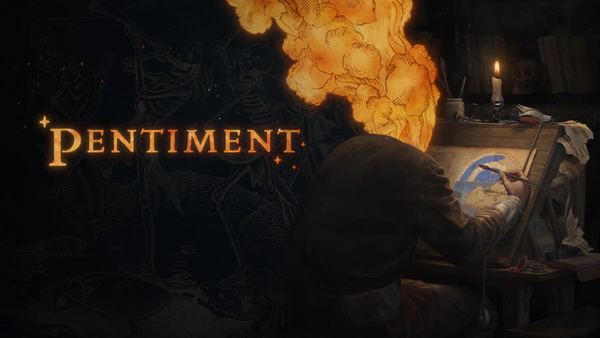
Pentiment Review: A Murder Mystery Painted Like a Medieval Book
Pentiment is a murder mystery that looks like an old, hand-painted book come to life. You play an artist in a small Bavarian town in the 1500s. A rich man is killed, your friend is blamed, and you have only a few days to find the truth. The game came out four years ago this week, on November 15, 2022. It won a Peabody Award, and it is still one of the most charming games you can play.